


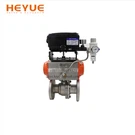


Hey there! As a supplier of double acting pneumatic actuators, I often get asked about the torque output of these nifty devices. So, in this blog, I'm gonna break it down for you and explain what torque output means, how it's determined, and why it matters when you're choosing a double acting pneumatic actuator.
What's Torque Output Anyway?
Let's start with the basics. Torque is a measure of the rotational force that an actuator can produce. In simpler terms, it's the muscle that makes the actuator turn a valve or another piece of equipment. The torque output of a double acting pneumatic actuator is the amount of rotational force it can generate when air pressure is applied to both sides of the piston.
Think of it like opening a jar. The more force you can apply to the lid, the easier it is to twist it open. Similarly, the higher the torque output of an actuator, the more effectively it can turn a valve or perform other rotational tasks.
How is Torque Output Determined?
The torque output of a double acting pneumatic actuator depends on several factors, including the size of the actuator, the air pressure applied, and the design of the actuator itself.
- Actuator Size: Generally speaking, larger actuators tend to have higher torque outputs. This is because they have more surface area on the piston, which allows them to generate more force when air pressure is applied. For example, a big industrial - sized double acting pneumatic actuator will be able to produce a lot more torque than a small, compact one used in a laboratory setting.
- Air Pressure: The air pressure supplied to the actuator is another crucial factor. The higher the air pressure, the more force is exerted on the piston, and thus the higher the torque output. Most double acting pneumatic actuators are designed to operate within a specific pressure range. For instance, some actuators work best at pressures between 60 - 100 psi, while others can handle much higher pressures.
- Actuator Design: Different designs of double acting pneumatic actuators can also affect the torque output. For example, Rack and Pinion Pneumatic Actuator use a rack and pinion mechanism to convert linear motion of the piston into rotational motion. This design can provide a very efficient transfer of force and result in a good torque output. Other designs, like scotch - yoke actuators, have their own unique ways of generating torque, and each has its own set of advantages and disadvantages.
Why Does Torque Output Matter?
Now that you know what torque output is and how it's determined, you might be wondering why it's so important. Well, the torque output of a double acting pneumatic actuator is crucial for ensuring that the actuator can perform its intended task effectively.
- Valve Operation: In many industrial applications, double acting pneumatic actuators are used to operate valves. If the torque output of the actuator is too low, it won't be able to open or close the valve properly. This can lead to problems such as leaks, improper flow control, and even system failures. On the other hand, if the torque output is too high, it can damage the valve or other components in the system. So, it's essential to choose an actuator with the right torque output for your specific valve.
- Load Requirements: The torque output also needs to match the load requirements of the application. For example, if you're using the actuator to turn a heavy - duty piece of machinery, you'll need an actuator with a high torque output. Otherwise, the actuator won't be able to handle the load, and it may overheat or break down prematurely.
Different Types of Double Acting Pneumatic Actuators and Their Torque Outputs
As a supplier, I've seen a wide variety of double acting pneumatic actuators, each with its own torque characteristics.
- Standard Double Acting Actuators: These are the most common type of double acting pneumatic actuators. They come in a range of sizes and can provide torque outputs suitable for a wide variety of applications. The torque output of a standard actuator can vary from a few inch - pounds for small ones to several thousand inch - pounds for large industrial models.
- Three Position Pneumatic Actuator: These actuators are a bit special because they can be positioned in three different states, not just the typical open and closed positions. The torque output of a three - position pneumatic actuator is designed to ensure reliable operation in all three positions. It's often chosen for applications where precise control and multiple positions are required, such as in some types of automated manufacturing processes.
- Corrosion - resistant Plastic Pneumatic Actuator: These actuators are made from plastic materials that are resistant to corrosion, making them ideal for use in harsh environments. While their torque output might be slightly lower compared to some metal - based actuators, they offer the advantage of being lightweight and resistant to rust and chemical damage.
Choosing the Right Torque Output for Your Application
When it comes to choosing a double acting pneumatic actuator, selecting the right torque output is key. Here are some steps you can take to make sure you get it right:
- Evaluate the Load: First, determine the load requirements of your application. Consider the size and weight of the valve or equipment that the actuator will be turning, as well as the friction and any external forces acting on it.
- Check the Pressure Range: Make sure you know the available air pressure in your system. This will help you narrow down the actuator options that can operate effectively at your pressure levels.
- Consult the Manufacturer: If you're still not sure which torque output is appropriate, don't hesitate to reach out to the manufacturer. As a supplier, I'm always happy to help customers select the right actuator for their needs. Our technical experts can analyze your application and recommend an actuator with the right torque output.
Conclusion
So, there you have it! The torque output of a double acting pneumatic actuator is a crucial factor that can significantly impact the performance and reliability of your system. By understanding how it's determined and why it matters, you can make an informed decision when choosing an actuator for your application.
If you're in the market for a double acting pneumatic actuator, I invite you to get in touch with us. We've got a wide range of actuators with different torque outputs, and our team is ready to assist you in finding the perfect fit for your needs. Whether it's a standard actuator, a Three Position Pneumatic Actuator, or a Corrosion - resistant Plastic Pneumatic Actuator, we've got you covered. Start the conversation and let's make your project a success!


References
- "Pneumatic Actuator Handbook"
- Industry - specific journals on fluid control and actuation technology
- Manufacturer's product manuals and technical specifications