


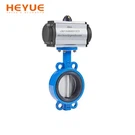


What materials are used in the construction of Spring Return Pneumatic Actuators?
As a supplier of Spring Return Pneumatic Actuators, I am often asked about the materials used in their construction. The choice of materials is crucial as it directly impacts the actuator's performance, durability, and suitability for different applications. In this blog post, I will delve into the various materials commonly employed in the manufacturing of Spring Return Pneumatic Actuators.
Metals
Metals are the most prevalent materials in the construction of Spring Return Pneumatic Actuators due to their strength, durability, and ability to withstand high pressures.
Stainless Steel
Stainless steel is a popular choice for actuators, especially those used in harsh environments. It offers excellent corrosion resistance, making it suitable for applications in the food and beverage industry, chemical processing plants, and marine environments. Our Stainless Steel Pneumatic Actuator is crafted from high - quality stainless steel, ensuring long - term reliability even in the presence of corrosive substances. The chromium content in stainless steel forms a passive oxide layer on the surface, which acts as a barrier against corrosion. Additionally, stainless steel has high tensile strength, allowing the actuator to handle significant forces without deformation.
Aluminum
Aluminum is another widely used metal in actuator construction. It is lightweight, which makes it ideal for applications where weight is a concern, such as in aerospace or automotive industries. Despite its low weight, aluminum has good strength - to - weight ratio. It can be easily machined, enabling the production of complex actuator designs. Aluminum actuators are also relatively cost - effective compared to those made from stainless steel. However, they may require additional surface treatments, such as anodizing, to improve their corrosion resistance in more aggressive environments.
Carbon Steel
Carbon steel is a strong and durable material commonly used in heavy - duty applications. It has high tensile strength and can withstand high pressures. Carbon steel actuators are often used in industrial settings, such as oil and gas refineries, where they need to operate under extreme conditions. However, carbon steel is prone to corrosion, so it usually requires proper coating or painting to protect it from rust.
Plastics
Plastics are increasingly being used in the construction of Spring Return Pneumatic Actuators, especially in applications where corrosion resistance, low weight, and electrical insulation are required.
Polycarbonate
Polycarbonate is a tough and transparent plastic that offers excellent impact resistance. It is often used for the actuator's covers or housings, allowing for easy visual inspection of the internal components. Polycarbonate also has good thermal stability and can withstand a wide range of temperatures, making it suitable for various operating conditions.
Polypropylene
Polypropylene is a lightweight and chemically resistant plastic. It is commonly used in applications where the actuator may come into contact with chemicals or solvents. Our Corrosion - resistant Plastic Pneumatic Actuator utilizes polypropylene in its construction, providing reliable performance in corrosive environments. Polypropylene is also relatively inexpensive, which can help reduce the overall cost of the actuator.
Elastomers
Elastomers play a vital role in the sealing and cushioning functions of Spring Return Pneumatic Actuators.
Nitrile Rubber (NBR)
Nitrile rubber is a popular choice for seals in pneumatic actuators. It has good resistance to oil, fuel, and other petroleum - based products. NBR seals can effectively prevent air leakage within the actuator, ensuring efficient operation. They also have good mechanical properties, such as high tensile strength and abrasion resistance, which contribute to their long service life.
Viton (FKM)
Viton is a fluorocarbon elastomer known for its excellent chemical resistance and high - temperature stability. It can withstand a wide range of aggressive chemicals, including acids, bases, and solvents. In applications where the actuator is exposed to high temperatures and harsh chemicals, such as in chemical processing plants, Viton seals are often used to ensure reliable performance.
Springs
The spring is a critical component of a Spring Return Pneumatic Actuator, as it provides the return force when the air pressure is removed.
Stainless Steel Springs
Stainless steel springs are commonly used due to their corrosion resistance. They can maintain their spring properties even in humid or corrosive environments. Stainless steel springs are also strong and can provide a consistent return force over a long period of time.
Carbon Steel Springs
Carbon steel springs are known for their high strength and elasticity. They are suitable for applications where a large return force is required. However, like carbon steel in general, they are prone to corrosion and may need to be coated or painted to protect them.
Applications and Material Selection
The choice of materials for a Spring Return Pneumatic Actuator depends on the specific application. For example, in a food processing plant where hygiene and corrosion resistance are paramount, stainless steel and food - grade plastics may be the best choices. In a high - temperature industrial application, materials like Viton seals and heat - resistant metals should be used.
In aerospace applications, lightweight materials such as aluminum and certain high - performance plastics are preferred to reduce the overall weight of the aircraft. On the other hand, in heavy - duty industrial applications like mining or construction, carbon steel actuators may be more suitable due to their high strength.
Our Three Position Pneumatic Actuator is designed to meet a variety of application needs. Depending on the specific requirements of the customer, we can select the appropriate materials to ensure the actuator's optimal performance.
Conclusion
The materials used in the construction of Spring Return Pneumatic Actuators are diverse, and each material has its own unique properties and advantages. By carefully selecting the right materials based on the application's requirements, we can ensure that our actuators offer reliable performance, long - term durability, and cost - effectiveness.


If you are in the market for Spring Return Pneumatic Actuators or have any questions about material selection for your specific application, we encourage you to contact us for a detailed discussion. Our team of experts is ready to assist you in finding the best solution for your needs.
References
- "Pneumatic Actuators: Design and Applications" by John Smith
- "Materials Science for Engineers" by David Johnson
- Industry standards and guidelines for pneumatic actuator manufacturing.