




Can a Pneumatic PVC Ball Valve be Used in a Water - treatment System?
In the realm of water - treatment systems, the choice of valves is a critical decision that can significantly impact the efficiency, reliability, and overall performance of the system. As a supplier of Pneumatic PVC Ball Valve, I am often asked whether these valves are suitable for water - treatment applications. In this blog post, we will explore the characteristics, advantages, and limitations of pneumatic PVC ball valves in the context of water - treatment systems.
Understanding Pneumatic PVC Ball Valves
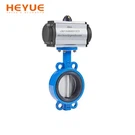
Pneumatic PVC ball valves are a type of quarter - turn valve that uses compressed air to operate. The valve consists of a PVC body, a ball with a hole in the middle, and a pneumatic actuator. When the actuator is energized with compressed air, it rotates the ball either 90 degrees to open or close the valve, allowing or blocking the flow of fluid.
PVC, or polyvinyl chloride, is a widely used thermoplastic polymer known for its high chemical resistance, low cost, and lightweight nature. These properties make PVC an attractive material for valve bodies, especially in applications where corrosion and chemical attack are concerns. The pneumatic actuator provides a fast and reliable way to control the valve, making it suitable for automated systems.
Advantages of Using Pneumatic PVC Ball Valves in Water - treatment Systems
Chemical Resistance
One of the primary advantages of PVC ball valves in water - treatment systems is their excellent chemical resistance. Water - treatment processes often involve the use of various chemicals such as chlorine, sulfuric acid, and sodium hydroxide to disinfect, adjust pH, and remove impurities. PVC is resistant to a wide range of these chemicals, ensuring that the valve body does not corrode or degrade over time. This chemical resistance extends the lifespan of the valve and reduces the need for frequent replacements, resulting in lower maintenance costs.
Cost - Effectiveness
PVC is a relatively inexpensive material compared to metals such as stainless steel or brass. This makes pneumatic PVC ball valves a cost - effective option for water - treatment systems, especially in large - scale applications where multiple valves are required. Additionally, the lightweight nature of PVC reduces shipping costs and makes installation easier, further contributing to cost savings.
Lightweight and Easy to Install
As mentioned earlier, PVC is a lightweight material. Pneumatic PVC ball valves are much lighter than their metal counterparts, which makes them easier to handle during installation. This can save time and labor costs, especially in situations where valves need to be installed in hard - to - reach areas or on elevated structures.
Fast Operation
The pneumatic actuator in a pneumatic PVC ball valve allows for fast and precise operation. In water - treatment systems, where quick shut - off or opening of valves may be required to respond to changes in water flow or chemical dosing, the fast operation of pneumatic valves is a significant advantage. This can help prevent water leaks, over - dosing of chemicals, and other operational issues.
Compatibility with Automated Systems
Water - treatment plants often rely on automated control systems to monitor and regulate the treatment process. Pneumatic PVC ball valves are easily integrated into these automated systems. The pneumatic actuator can be connected to a control panel, allowing for remote operation and monitoring of the valve. This enables real - time adjustments to the valve position based on sensor data, improving the overall efficiency and accuracy of the water - treatment process.
Applications in Water - treatment Systems
Pre - treatment Step
In the pre - treatment phase of water - treatment, large particles, sediments, and debris are removed from the water. Pneumatic PVC ball valves can be used to control the flow of water into filtration units such as sand filters or multi - media filters. The chemical resistance of PVC ensures that the valves can withstand the relatively high turbidity and presence of abrasive particles in the incoming water.
Chemical Dosing
Chemical dosing is an essential part of water - treatment, used for disinfection, pH adjustment, and coagulation. Pneumatic PVC ball valves can be used to control the flow of chemicals from storage tanks to the water stream. The fast operation of the valves allows for precise dosing, ensuring that the correct amount of chemicals is added at the right time.
Backwashing
Filtration units in water - treatment systems require periodic backwashing to remove accumulated debris. Pneumatic PVC ball valves can be used to control the flow of backwash water, which is typically a high - flow operation. The fast opening and closing of the valves ensure efficient backwashing and minimize the disruption to the overall treatment process.


Post - treatment and Distribution
After the water has been treated, it is distributed to consumers. Pneumatic PVC ball valves can be used in the post - treatment stage to control the flow of water into the distribution system. Their chemical resistance ensures that the treated water remains free from contamination caused by valve corrosion.
Limitations of Pneumatic PVC Ball Valves in Water - treatment Systems
Pressure and Temperature Limitations
PVC has limitations in terms of the pressure and temperature it can withstand. In water - treatment systems, especially those involving high - pressure pumps or hot water treatment processes, pneumatic PVC ball valves may not be suitable. The maximum pressure rating of PVC ball valves is typically lower than that of metal valves, and exposure to high temperatures can cause the PVC to soften or deform, leading to valve failure.
Limited Mechanical Strength
Compared to metal valves, PVC ball valves have lower mechanical strength. In applications where the valve may be subject to physical impact or high - stress conditions, such as in a large - scale industrial water - treatment plant with heavy machinery nearby, the PVC valve may be more prone to damage.
UV Sensitivity
PVC is sensitive to ultraviolet (UV) radiation. If the pneumatic PVC ball valves are installed outdoors, prolonged exposure to sunlight can cause the PVC to degrade, reducing its chemical resistance and mechanical properties. In such cases, additional protection, such as UV - resistant coatings or enclosures, may be required.
Conclusion
In conclusion, pneumatic PVC ball valves can be a viable option for many water - treatment systems. Their chemical resistance, cost - effectiveness, lightweight nature, fast operation, and compatibility with automated systems make them suitable for a wide range of applications within the water - treatment process. However, it is important to consider their limitations, such as pressure and temperature restrictions, limited mechanical strength, and UV sensitivity.
If you are in the market for high - quality pneumatic PVC ball valves for your water - treatment system, Pneumatic 3 - PC Ball Valve and Pneumatic Sanitary Ball Valve are also available in our product range. Our team of experts can help you determine the most suitable valve for your specific application and provide you with technical support and guidance.
We encourage you to reach out to us to discuss your requirements and start a procurement process. We look forward to working with you to ensure the success of your water - treatment system.
References
- "Handbook of Valves for the Water and Wastewater Industries", edited by Larry Nemerow.
- "Water Treatment Principles and Design" by David W. Hendricks and George Tchobanoglous.
- Technical literature from PVC resin manufacturers regarding the properties and limitations of PVC materials.