


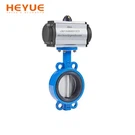


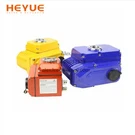

The weight of a spring return pneumatic actuator is a crucial factor that impacts its installation, operation, and overall performance. As a leading supplier of spring return pneumatic actuators, we understand the significance of this parameter for our customers. In this blog, we will delve into the various aspects related to the weight of spring return pneumatic actuators, including what influences it, why it matters, and how it relates to the actuator's functionality.
Factors Influencing the Weight of Spring Return Pneumatic Actuators
Material Composition
The materials used in the construction of a spring return pneumatic actuator play a major role in determining its weight. For instance, actuators made from stainless steel are generally heavier than those constructed with aluminum or corrosion-resistant plastics. Stainless steel offers high strength and excellent resistance to corrosion, making it suitable for harsh environments. However, its density contributes to a greater overall weight. Our Stainless Steel Pneumatic Actuator is a prime example of a heavy - duty option that sacrifices some lightness for durability.
On the other hand, aluminum is a lightweight alternative. It has a lower density compared to stainless steel while still providing sufficient strength for many applications. Aluminum - bodied actuators are easier to handle during installation and can reduce the overall load on the supporting structures.
Corrosion - resistant plastics are another option. These materials are extremely lightweight and can be used in less demanding environments or where weight is a critical factor. Our Corrosion - resistant Plastic Pneumatic Actuator is designed to provide reliable performance while keeping the weight to a minimum.
Size and Design
The size of the spring return pneumatic actuator is directly proportional to its weight. Larger actuators have more material used in their construction, resulting in increased weight. The design of the actuator also matters. Actuators with complex internal mechanisms or additional features such as integrated positioners or limit switches are likely to be heavier than basic models.
For example, a Spring Return Rotary Pneumatic Valve Actuator with a wide torque range and a high - precision spring mechanism may have a larger size and more components, thus increasing its weight.
Spring Characteristics
The springs in a spring return pneumatic actuator are essential for its operation. The type, size, and stiffness of the springs can significantly affect the weight. Stronger springs with higher stiffness ratings usually have more mass. These springs are required when the actuator needs to generate a large amount of torque or when it has to operate under high - pressure conditions.
Why the Weight of Spring Return Pneumatic Actuators Matters
Installation Considerations
The weight of the actuator is a key factor during installation. Heavier actuators may require more robust support structures. This could mean additional costs for mounting brackets, frames, and reinforcement. In some cases, the weight of the actuator may limit its installation location. For example, if the actuator is to be installed on a wall - mounted valve, a heavy actuator may put excessive stress on the wall and require special mounting arrangements.
Transportation and Handling
During transportation, the weight of the actuator affects shipping costs. Heavier actuators require more resources to move, whether it is by truck, plane, or other means. Additionally, handling heavy actuators on - site can be a safety concern. Workers need to use proper lifting equipment and follow safety protocols to prevent injuries.
System Dynamics
The weight of the actuator can influence the overall dynamics of the system in which it is installed. In a valve - control system, for example, a heavier actuator may introduce more inertia. This can affect the response time of the valve, especially in applications where rapid opening and closing are required. A well - balanced system takes into account the weight of the actuator to ensure optimal performance.
How Weight Relates to Actuator Functionality
Torque Output
In general, heavier actuators can generate higher torque. This is because the additional weight often comes from stronger components and larger springs. A higher - torque actuator is suitable for applications where a large amount of force is needed to operate the valve, such as in high - pressure pipelines or industrial processes with large - diameter valves.
Durability and Longevity
Heavier actuators are often associated with greater durability. The use of high - quality, heavy - duty materials in their construction means they can withstand more wear and tear over time. This is particularly important in harsh industrial environments where the actuator may be exposed to extreme temperatures, corrosive substances, or high - frequency operation.
Selecting the Right Weight for Your Application
When choosing a spring return pneumatic actuator, it is essential to consider your specific application requirements. If you are working in a space - constrained or weight - sensitive environment, such as a mobile equipment or a lightweight structure, a lighter actuator made from aluminum or plastic may be the best choice.
On the other hand, if your application involves high - pressure systems, large - diameter valves, or harsh operating conditions, a heavier stainless - steel actuator with a high - torque output may be more suitable.
As a supplier, we offer a wide range of spring return pneumatic actuators with different weights and specifications. Our team of experts can help you select the right actuator based on your needs. Whether you need a lightweight solution for a delicate application or a heavy - duty actuator for a demanding industrial process, we have the expertise to guide you.
Conclusion
The weight of a spring return pneumatic actuator is a multi - faceted parameter that affects various aspects of its use, from installation to performance. Understanding the factors that influence the weight and how it relates to your application is crucial for making an informed decision.


If you are in the market for a spring return pneumatic actuator, we invite you to contact us to discuss your requirements. Our experienced sales team is ready to provide you with detailed information, product recommendations, and pricing. Let us help you find the perfect actuator for your project.
References
- Pneumatic Actuator Handbook, Industry Standard Publications
- Material Science and Engineering for Actuators, Academic Journals on Engineering