



Hey there! As a supplier of pneumatic diaphragm valves, I often get asked if these valves can be used in high-temperature applications. It's a valid question, and today, I'm gonna dive deep into this topic to give you a clear answer.
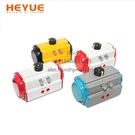
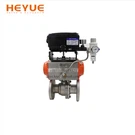
First off, let's understand what a pneumatic diaphragm valve is. It's a type of valve that uses a flexible diaphragm to control the flow of fluids. The diaphragm is connected to a pneumatic actuator, which moves the diaphragm up and down to open or close the valve. These valves are known for their excellent sealing properties, which make them great for applications where leakage prevention is crucial.
Now, let's talk about high-temperature applications. High temperatures can be a real challenge for any valve. When exposed to extreme heat, materials can expand, contract, or even degrade, which can affect the valve's performance and lifespan. So, can a pneumatic diaphragm valve handle these harsh conditions?
The answer is: it depends. There are several factors to consider when determining if a pneumatic diaphragm valve is suitable for high-temperature applications.
Material Selection
The materials used in the construction of the valve play a crucial role in its ability to withstand high temperatures. The diaphragm, in particular, is a key component. Most diaphragms are made from elastomers like rubber, which have a limited temperature tolerance. For example, natural rubber diaphragms typically have a maximum temperature rating of around 80 - 100°C. If the application requires higher temperatures, you'll need to choose a diaphragm made from a more heat-resistant material.
Some options for high-temperature diaphragms include:
- PTFE (Polytetrafluoroethylene): PTFE is a synthetic fluoropolymer that can withstand temperatures up to 260°C. It has excellent chemical resistance and low friction, making it a popular choice for high-temperature and corrosive applications.
- EPDM (Ethylene Propylene Diene Monomer): EPDM is a synthetic rubber that can handle temperatures up to around 150°C. It has good resistance to ozone, weathering, and steam, making it suitable for a variety of high-temperature applications.
- Viton: Viton is a fluoroelastomer that can withstand temperatures up to 200 - 230°C. It has excellent resistance to oils, fuels, and chemicals, making it ideal for high-temperature and aggressive fluid applications.
In addition to the diaphragm, the body and other components of the valve also need to be made from heat-resistant materials. Stainless steel is a common choice for high-temperature applications because it can handle temperatures up to around 400 - 600°C, depending on the grade.
Design Considerations
The design of the pneumatic diaphragm valve can also affect its performance in high-temperature applications. For example, the valve's actuator needs to be able to operate effectively at high temperatures. Some actuators are designed with special heat-resistant seals and lubricants to ensure reliable operation.
Another design factor is the valve's flow path. A well-designed flow path can help to minimize pressure drop and prevent overheating of the valve components. Additionally, the valve should be designed to allow for easy maintenance and replacement of the diaphragm and other parts, especially in high-temperature applications where wear and tear may be more significant.
Application-Specific Requirements
The specific requirements of the high-temperature application also need to be taken into account. For example, if the application involves high-pressure steam, the valve needs to be designed to handle the pressure as well as the temperature. Similarly, if the fluid being controlled is corrosive, the valve materials need to be selected accordingly.
Let's take a look at some common high-temperature applications where pneumatic diaphragm valves can be used:
- Chemical Processing: In chemical plants, pneumatic diaphragm valves are often used to control the flow of hot chemicals. The valves need to be made from materials that are resistant to corrosion and high temperatures, such as PTFE diaphragms and stainless steel bodies.
- Food and Beverage Industry: In food and beverage processing, high-temperature steam is often used for cleaning and sterilization. Pneumatic diaphragm valves can be used to control the flow of steam, and they need to meet strict sanitary standards. Check out our Sanitary Diaphragm Valves with manual operation for more information.
- Power Generation: In power plants, pneumatic diaphragm valves can be used to control the flow of hot water, steam, and other fluids in the boiler and turbine systems. The valves need to be able to withstand high temperatures and pressures.
Limitations
While pneumatic diaphragm valves can be used in many high-temperature applications, there are some limitations. For example, at extremely high temperatures, the performance of the valve may degrade over time. The diaphragm may become brittle and crack, and the seals may lose their effectiveness. Additionally, the pneumatic actuator may require more frequent maintenance and calibration to ensure reliable operation.
In some cases, other types of valves may be more suitable for very high-temperature applications. For example, ball valves or gate valves made from high-temperature alloys may be able to handle temperatures above 600°C.
Conclusion
So, can a pneumatic diaphragm valve be used in high-temperature applications? The answer is yes, but it depends on several factors, including the materials used, the design of the valve, and the specific requirements of the application. By choosing the right materials and design, pneumatic diaphragm valves can provide reliable performance in a wide range of high-temperature applications.
If you're looking for pneumatic diaphragm valves for high-temperature applications, we've got you covered. We offer a wide range of valves, including Plastic Diaphragm Valve and Pneumatic Sanitary Welded Diaphragm Valve, that are designed to meet your specific needs. Our team of experts can help you select the right valve for your application and provide you with all the support you need.


If you're interested in learning more or making a purchase, don't hesitate to reach out. We're here to help you find the perfect pneumatic diaphragm valve solution for your high-temperature applications.
References
- Valve Handbook: A Guide to Valve Selection and Application, 2nd Edition
- ASME Boiler and Pressure Vessel Code
- API Standards for Valves and Piping Systems