

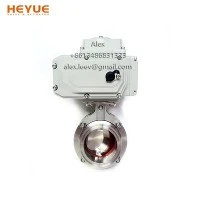


How to check the insulation resistance of a Quarter Turn Electric Actuator?
Hello everyone! As a supplier of Quarter Turn Electric Actuators, I would like to share with you some important information about checking the insulation resistance of these actuators. Insulation resistance is a crucial parameter that indicates the integrity of the electrical insulation within the actuator. A proper insulation resistance ensures the safe and reliable operation of the actuator, preventing electrical leakage and potential hazards.
Why Insulation Resistance Testing is Important
Before we delve into the testing process, let's understand why insulation resistance testing is so important. The insulation in a quarter turn electric actuator is designed to prevent the flow of current between conductors and the actuator's housing or other conductive parts. Over time, insulation can degrade due to factors such as moisture, heat, vibration, and mechanical stress. This degradation can lead to reduced insulation resistance, which in turn can cause electrical short circuits, equipment damage, and even pose a risk to personnel safety.


By regularly checking the insulation resistance, we can detect early signs of insulation degradation and take appropriate measures to prevent failures. This proactive approach can save you time and money by avoiding costly repairs and downtime.
Tools Required for Insulation Resistance Testing
To perform an insulation resistance test on a quarter turn electric actuator, you will need the following tools:
- Insulation Resistance Tester: This is the primary tool for measuring insulation resistance. Make sure to select a tester that is suitable for the voltage rating and range of the actuator.
- Safety Equipment: Wear appropriate safety gear, such as insulated gloves and safety glasses, to protect yourself from electrical shock.
- Screwdrivers and Wrenches: You may need these tools to access the electrical terminals of the actuator.
Step-by-Step Guide to Checking Insulation Resistance
Now, let's walk through the step-by-step process of checking the insulation resistance of a quarter turn electric actuator:
- Step 1: Safety First
Before you begin any electrical testing, it is essential to ensure that the actuator is disconnected from the power supply. Lock out and tag out the power source to prevent accidental energization. This will protect you from electrical shock and ensure a safe testing environment. - Step 2: Access the Electrical Terminals
Use the appropriate screwdrivers and wrenches to remove the cover or access panel of the actuator to reach the electrical terminals. Be careful not to damage any wires or components during this process. - Step 3: Prepare the Insulation Resistance Tester
Set the insulation resistance tester to the appropriate voltage range for the actuator. Most quarter turn electric actuators operate at voltages between 110V and 480V. Refer to the actuator's manual or specifications for the correct voltage rating. - Step 4: Connect the Tester
Connect the test leads of the insulation resistance tester to the electrical terminals of the actuator. One lead should be connected to the live conductor (usually the phase wire), and the other lead should be connected to the ground or the actuator's housing. Make sure the connections are secure and free of any loose wires or debris. - Step 5: Take the Measurement
Once the tester is connected, press the "Test" button to start the measurement. The tester will apply a high voltage to the insulation and measure the resulting current flow. The insulation resistance value will be displayed on the tester's screen in ohms (Ω). - Step 6: Interpret the Results
The acceptable insulation resistance value for a quarter turn electric actuator depends on several factors, including the actuator's voltage rating, ambient conditions, and the manufacturer's specifications. In general, a higher insulation resistance value indicates better insulation integrity. As a rule of thumb, an insulation resistance value of at least 1 megohm (MΩ) is considered acceptable for most applications. However, some manufacturers may specify a higher minimum value.
If the measured insulation resistance value is below the acceptable range, it may indicate a problem with the insulation. Possible causes could include moisture ingress, damaged insulation, or a short circuit. In such cases, further investigation and troubleshooting are required to identify and resolve the issue. - Step 7: Repeat the Test if Necessary
If you suspect that the initial measurement may be inaccurate due to factors such as dirty terminals or improper connections, you can repeat the test after cleaning the terminals and ensuring proper connections. - Step 8: Reassemble the Actuator
Once you have completed the insulation resistance test and verified that the results are within the acceptable range, carefully reassemble the actuator, ensuring that all covers and access panels are securely fastened.
Tips for Accurate Insulation Resistance Testing
To ensure accurate and reliable insulation resistance measurements, consider the following tips:
- Test in a Dry Environment: Moisture can significantly affect insulation resistance readings. Perform the test in a dry environment to obtain more accurate results.
- Allow the Actuator to Cool Down: If the actuator has been operating recently, allow it to cool down to room temperature before performing the test. High temperatures can reduce insulation resistance and give false readings.
- Clean the Terminals: Dirty or corroded terminals can cause poor connections and inaccurate measurements. Clean the terminals with a suitable electrical contact cleaner before testing.
- Follow the Manufacturer's Instructions: Always refer to the actuator's manual and the insulation resistance tester's instructions for specific testing procedures and guidelines.
Conclusion
Checking the insulation resistance of a quarter turn electric actuator is a simple yet essential maintenance task that can help ensure the safe and reliable operation of the actuator. By following the steps outlined in this guide and using the appropriate tools and techniques, you can easily perform insulation resistance testing and detect potential issues before they lead to costly failures.
As a supplier of Quarter Turn Electric Actuators, we are committed to providing high-quality products and technical support to our customers. If you have any questions or need further assistance with insulation resistance testing or any other aspect of our actuators, please feel free to contact us. We look forward to discussing your procurement needs and helping you find the best solutions for your applications.
References
- Electrical Installation Handbook, Schneider Electric
- National Electrical Code (NEC), National Fire Protection Association (NFPA)