

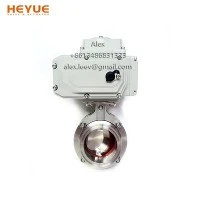
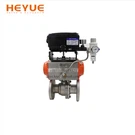


The end connection of a pneumatic butterfly valve plays a crucial role in its installation and use. As a pneumatic butterfly valve supplier, I have witnessed firsthand how different end connections can significantly impact the overall performance and functionality of these valves. In this blog, we will explore the various types of end connections available for pneumatic butterfly valves and discuss how they affect the installation and use of these valves.
Types of End Connections
There are several types of end connections commonly used for pneumatic butterfly valves, each with its own advantages and disadvantages. The most common types of end connections include wafer, lug, flange, and threaded connections.
Wafer End Connection
A wafer end connection is the most common type of end connection for pneumatic butterfly valves. It is designed to be installed between two flanges using bolts or studs. The wafer design allows for easy installation and removal of the valve without the need for additional piping modifications. Wafer valves are typically used in applications where space is limited or where the valve needs to be easily replaced. For more information on Pneumatic Wafer Butterfly Valve, you can visit our website.
Lug End Connection
A lug end connection is similar to a wafer end connection, but it has threaded inserts on the valve body that allow it to be bolted directly to the pipeline. Lug valves are commonly used in applications where the valve needs to be removed for maintenance or replacement without disrupting the entire pipeline. Lug valves are also suitable for applications where the valve needs to be isolated from the pipeline on one side.
Flange End Connection
A flange end connection is a more traditional type of end connection that uses flanges to connect the valve to the pipeline. Flange valves are typically used in applications where the valve needs to be installed in a high-pressure or high-temperature environment. Flange valves are also suitable for applications where the valve needs to be easily removed for maintenance or replacement. For more information on Pneumatic Flange Butterfly Valve, you can visit our website.
Threaded End Connection
A threaded end connection is a type of end connection that uses threads to connect the valve to the pipeline. Threaded valves are typically used in applications where the valve needs to be installed in a low-pressure or low-temperature environment. Threaded valves are also suitable for applications where the valve needs to be easily removed for maintenance or replacement.
Impact on Installation
The end connection of a pneumatic butterfly valve can have a significant impact on its installation. Different end connections require different installation methods and tools, and the choice of end connection can affect the overall installation time and cost.
Wafer End Connection Installation
Wafer end connections are relatively easy to install. They can be installed between two flanges using bolts or studs. The installation process typically involves aligning the valve with the flanges, inserting the bolts or studs, and tightening them to the recommended torque. Wafer valves are typically installed in a horizontal position to ensure proper sealing.
Lug End Connection Installation
Lug end connections are also relatively easy to install. They can be bolted directly to the pipeline using the threaded inserts on the valve body. The installation process typically involves aligning the valve with the pipeline, inserting the bolts, and tightening them to the recommended torque. Lug valves can be installed in a horizontal or vertical position.
Flange End Connection Installation
Flange end connections require more installation time and effort compared to wafer and lug end connections. The installation process typically involves aligning the valve with the flanges, inserting the bolts, and tightening them to the recommended torque. Flange valves are typically installed in a horizontal position to ensure proper sealing.
Threaded End Connection Installation
Threaded end connections are the easiest to install. They can be screwed directly onto the pipeline using a wrench. The installation process typically involves aligning the valve with the pipeline, screwing the valve onto the pipeline, and tightening it to the recommended torque. Threaded valves can be installed in a horizontal or vertical position.
Impact on Use
The end connection of a pneumatic butterfly valve can also have a significant impact on its use. Different end connections can affect the flow characteristics, sealing performance, and maintenance requirements of the valve.


Wafer End Connection Use
Wafer end connections are suitable for applications where the valve needs to be easily installed and removed. They are also suitable for applications where the valve needs to be used in a low-pressure or low-temperature environment. Wafer valves typically have a lower pressure rating compared to flange valves.
Lug End Connection Use
Lug end connections are suitable for applications where the valve needs to be removed for maintenance or replacement without disrupting the entire pipeline. They are also suitable for applications where the valve needs to be isolated from the pipeline on one side. Lug valves typically have a higher pressure rating compared to wafer valves.
Flange End Connection Use
Flange end connections are suitable for applications where the valve needs to be installed in a high-pressure or high-temperature environment. They are also suitable for applications where the valve needs to be easily removed for maintenance or replacement. Flange valves typically have a higher pressure rating compared to wafer and lug valves.
Threaded End Connection Use
Threaded end connections are suitable for applications where the valve needs to be installed in a low-pressure or low-temperature environment. They are also suitable for applications where the valve needs to be easily removed for maintenance or replacement. Threaded valves typically have a lower pressure rating compared to flange valves.
Conclusion
In conclusion, the end connection of a pneumatic butterfly valve plays a crucial role in its installation and use. Different end connections have different advantages and disadvantages, and the choice of end connection should be based on the specific application requirements. As a pneumatic butterfly valve supplier, we offer a wide range of end connections to meet the needs of our customers. If you are interested in purchasing a pneumatic butterfly valve, please contact us to discuss your specific requirements. We look forward to working with you to find the best solution for your application.
References
- "Valve Handbook: Principles and Applications" by E. F. Obert
- "Pneumatic Systems Design and Application" by Robert Sheaf