


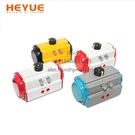


Vibration is a common phenomenon in industrial environments, and its impact on various equipment cannot be underestimated. As a leading supplier of Pneumatic Sanitary Ball Valve, we are deeply aware of the importance of understanding how vibration affects these valves. In this blog, we will explore the effects of vibration on a pneumatic sanitary ball valve from multiple aspects, including its structure, performance, and lifespan.
Structural Impact of Vibration on Pneumatic Sanitary Ball Valves
The structure of a pneumatic sanitary ball valve is designed to ensure reliable operation and meet strict sanitary standards. However, vibration can pose significant challenges to its structural integrity.
Loosening of Components
One of the most immediate effects of vibration is the loosening of valve components. Pneumatic sanitary ball valves consist of various parts such as the valve body, ball, stem, and actuator, all of which are held together by bolts, nuts, and seals. Continuous vibration can cause these fasteners to gradually loosen over time, leading to potential leaks and misalignment. For example, if the bolts securing the actuator to the valve body become loose, the actuator may not be able to operate the valve ball precisely, resulting in inconsistent flow control.
Fatigue Failure
Vibration can also induce fatigue in the valve materials. The repeated stress cycles caused by vibration can weaken the molecular structure of the valve components, especially in areas with high stress concentration, such as the valve seat and the stem. Over time, this can lead to fatigue cracks, which may eventually cause the component to fail. Fatigue failure is a serious concern as it can lead to sudden and unexpected valve malfunctions, which can disrupt the production process and pose safety risks.
Seal Damage
The seals in a pneumatic sanitary ball valve are crucial for preventing leaks and maintaining the sanitary conditions of the system. However, vibration can cause the seals to wear out prematurely. The constant movement and stress exerted by vibration can cause the seals to lose their elasticity and form gaps, allowing fluid to leak past the valve. This not only affects the performance of the valve but also increases the risk of contamination in sanitary applications.
Performance Impact of Vibration on Pneumatic Sanitary Ball Valves
In addition to the structural effects, vibration can also have a significant impact on the performance of pneumatic sanitary ball valves.
Flow Control Instability
Vibration can disrupt the flow control function of the valve. The valve ball is designed to rotate precisely within the valve body to regulate the flow of fluid. However, vibration can cause the ball to move erratically, resulting in inconsistent flow rates. This can be particularly problematic in applications where precise flow control is required, such as in pharmaceutical and food processing industries. In these industries, even a small deviation in flow rate can affect the quality and consistency of the final product.
Pressure Fluctuations
Vibration can also cause pressure fluctuations within the valve and the connected piping system. The movement of the valve components due to vibration can create pressure waves, which can travel through the system and cause instability. These pressure fluctuations can not only affect the performance of the valve but also damage other equipment in the system, such as pumps and sensors.
Actuator Malfunction
The actuator is responsible for operating the valve ball and controlling its position. Vibration can interfere with the normal operation of the actuator, causing it to malfunction. For example, the electrical connections in the actuator may become loose due to vibration, leading to intermittent power supply and erratic operation. Additionally, the internal components of the actuator, such as the motor and gears, may be subjected to excessive stress and wear, reducing their lifespan and reliability.
Lifespan Impact of Vibration on Pneumatic Sanitary Ball Valves
The continuous exposure to vibration can significantly reduce the lifespan of a pneumatic sanitary ball valve.
Accelerated Wear and Tear
As mentioned earlier, vibration can cause fatigue, seal damage, and component loosening, all of which contribute to accelerated wear and tear of the valve. The increased wear and tear can lead to a shorter lifespan of the valve, requiring more frequent maintenance and replacement. This not only increases the operating costs but also causes downtime in the production process.
Decreased Reliability
The structural and performance issues caused by vibration can also decrease the reliability of the valve. A valve that is constantly subjected to vibration is more likely to malfunction, leading to unexpected shutdowns and production losses. In critical applications, such as in the chemical and petrochemical industries, the failure of a valve can have serious consequences, including environmental pollution and safety hazards.
Mitigating the Effects of Vibration on Pneumatic Sanitary Ball Valves
To minimize the impact of vibration on pneumatic sanitary ball valves, several measures can be taken.
Proper Installation
Proper installation is crucial for reducing the effects of vibration. The valve should be installed in a stable location, away from sources of vibration, such as pumps and compressors. Additionally, the valve should be properly aligned and secured to prevent any movement or misalignment. The use of vibration isolation mounts can also help to reduce the transmission of vibration from the surrounding environment to the valve.
Regular Maintenance
Regular maintenance is essential for ensuring the long-term performance and reliability of the valve. This includes inspecting the valve components for signs of wear and tear, tightening any loose fasteners, and replacing any damaged seals. Regular lubrication of the valve components can also help to reduce friction and wear, improving the valve's performance and lifespan.
Selection of High-Quality Valves
Choosing high-quality pneumatic sanitary ball valves can also help to mitigate the effects of vibration. High-quality valves are designed to withstand the rigors of industrial environments and are less prone to vibration-induced damage. At [Company Name], we offer a wide range of Pneumatic Sanitary Ball Valve, Pneumatic 3-PC Ball Valve, and Pneumatic V-Port Ball Valve that are engineered to provide reliable performance even in the presence of vibration.
Conclusion
Vibration can have a significant impact on the structure, performance, and lifespan of a pneumatic sanitary ball valve. As a supplier of these valves, we understand the importance of addressing these issues to ensure the reliable operation of our customers' systems. By taking appropriate measures, such as proper installation, regular maintenance, and the selection of high-quality valves, the effects of vibration can be minimized.
If you are interested in learning more about our Pneumatic Sanitary Ball Valve or have any questions regarding the impact of vibration on valves, please feel free to contact us for further discussion and potential procurement. We look forward to the opportunity to serve you and provide you with the best solutions for your industrial valve needs.


References
- Smith, J. (2018). Industrial Valve Handbook. New York: McGraw-Hill.
- Johnson, R. (2019). The Effects of Vibration on Mechanical Components. Journal of Mechanical Engineering, 45(2), 123-135.
- Brown, A. (2020). Sanitary Valve Design and Application. London: Elsevier.