


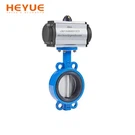



Hey there! As a supplier of Pneumatic 3 - PC Ball Valves, I've seen firsthand how the cold can really mess with these valves. Freezing can cause all sorts of problems, like reduced performance, leaks, and even permanent damage. So, I'm here to share some practical tips on how to prevent the freezing of a Pneumatic 3 - PC Ball Valve in cold environments.
Understanding the Problem
Before we dive into the solutions, let's quickly understand why these valves freeze in the first place. When the temperature drops, any moisture inside the valve or in the surrounding air can turn to ice. This ice can block the flow of air or fluid, put extra pressure on the valve components, and cause them to crack or break.
Insulation is Key
One of the simplest and most effective ways to prevent freezing is to insulate your Pneumatic 3 - PC Ball Valve. You can use special insulation materials designed for industrial applications. These materials come in various forms, like foam sleeves or blankets. Just wrap the insulation around the valve and any connected pipes. This will help keep the heat in and the cold out.
There are also some DIY options if you're on a budget. You can use old towels or blankets to create a makeshift insulation. Just make sure to secure it properly so it doesn't come loose.
Heat Tracing
Heat tracing is another great method. It involves wrapping a heating element around the valve and pipes. The heating element provides a constant source of heat, preventing the moisture from freezing. There are different types of heat tracing systems available, such as self - regulating and constant - wattage systems.
Self - regulating heat tracing is a popular choice because it adjusts the amount of heat based on the temperature. This means it's more energy - efficient and safer. You can easily install these systems yourself, but it's always a good idea to follow the manufacturer's instructions.
Drainage
Make sure there's proper drainage in and around the valve. Any standing water is a major risk for freezing. Check for any low points in the pipes where water might collect. You can install drain valves at these points to remove the water regularly.
Also, if the valve is in an outdoor location, make sure it's installed on a slope or a raised platform to prevent water from pooling around it.
Use Anti - Freeze Solutions
In some cases, you can use anti - freeze solutions in the valve's air or fluid supply. These solutions lower the freezing point of the liquid, reducing the risk of ice formation. However, you need to be careful when choosing an anti - freeze solution. Make sure it's compatible with the valve materials and the fluid it's handling.
Regular Maintenance
Regular maintenance is crucial for preventing freezing. Inspect the valve regularly for any signs of moisture or damage. Check the insulation to make sure it's still in good condition. If you notice any problems, fix them right away.
Lubrication is also important. Use a high - quality lubricant that can withstand cold temperatures. This will keep the valve components moving smoothly and prevent them from seizing up due to ice.
Monitoring the Temperature
Keep an eye on the temperature in the area where the valve is installed. You can use a thermometer or a temperature monitoring system. If the temperature is getting close to freezing, take action immediately. You might need to increase the heat from the heat tracing system or add more insulation.


Pneumatic V - Port Ball Valve and Other Options
If you're looking for different types of pneumatic ball valves, we also offer Pneumatic V - Port Ball Valve. These valves are great for applications where you need precise flow control. We also have Pneumatic PVC Ball Valve which are corrosion - resistant and suitable for a variety of fluids. And don't forget about our Pneumatic 2 - PC Flange Ball Valve, which are known for their durability and easy installation.
Conclusion
Preventing the freezing of a Pneumatic 3 - PC Ball Valve in cold environments is all about taking proactive steps. By using insulation, heat tracing, proper drainage, anti - freeze solutions, and regular maintenance, you can keep your valves working smoothly even in the coldest conditions.
If you have any questions or if you're in the market for high - quality Pneumatic 3 - PC Ball Valves or any of our other valve products, feel free to reach out. We're here to help you find the right solutions for your needs and ensure your operations run without a hitch.
References
- Industrial Valve Handbook: Covers basic principles of valve operation and maintenance in different environments.
- Manufacturer's documentation for the Pneumatic 3 - PC Ball Valves.
- Publications on industrial insulation and heat tracing technologies.