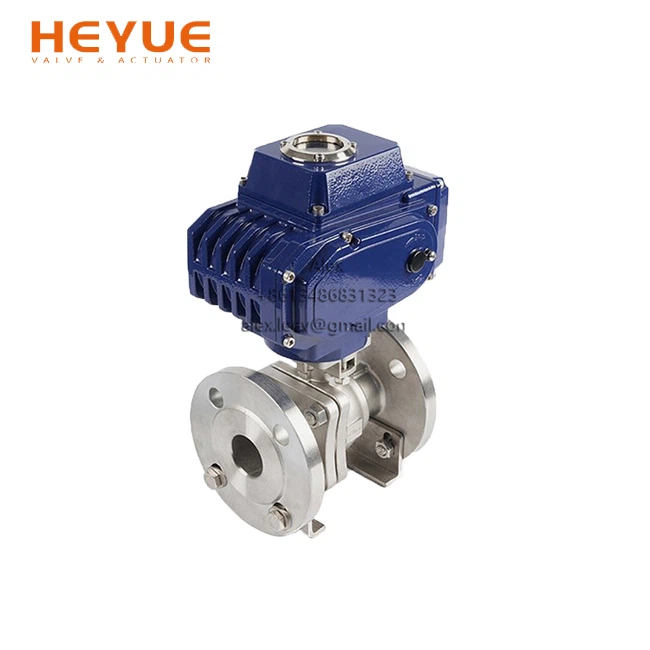
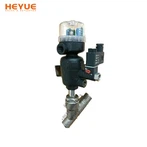
Electric ball valves are complex assemblies composed of several key components that work together to ensure precise and reliable control of fluid flow in automated systems. Understanding the equipment involved in electric ball valves helps in appreciating their functionality, maintenance requirements, and application suitability.
Core Components of Electric Ball Valves
Valve Body and Ball
The valve body is the main structure that houses the internal components and provides connection points for piping systems. It is typically made from durable materials such as stainless steel, brass, or PVC, chosen based on the specific fluid and operating conditions. Inside the body resides the ball-a precisely machined, hollow sphere that controls flow. The ball is supported by seats and seals which ensure leak-tight operation when the valve is closed.
Electric Actuator
Mounted on top of the valve body, the electric actuator is the heart of the automation system. It consists primarily of an electric motor, gear mechanism, and control circuitry. Upon receiving electrical signals, the motor drives the gears to rotate the valve stem and ball, opening or closing the valve. Some actuators include position sensors or potentiometers to provide feedback on the valve's position for precise control or integration into automated systems.
Valve Stem and Stem Seals
The stem connects the actuator to the ball, transmitting torque to rotate it. Stem seals prevent fluid leakage around the stem area, maintaining system integrity and environmental safety.
Limit Switches and Position Indicators
Many electric ball valves come equipped with limit switches that signal when the valve reaches fully open or fully closed positions. Position indicators visually represent the valve's current state, facilitating monitoring and troubleshooting.
Control Interface
These valves often feature electrical connectors or terminals for power and control