


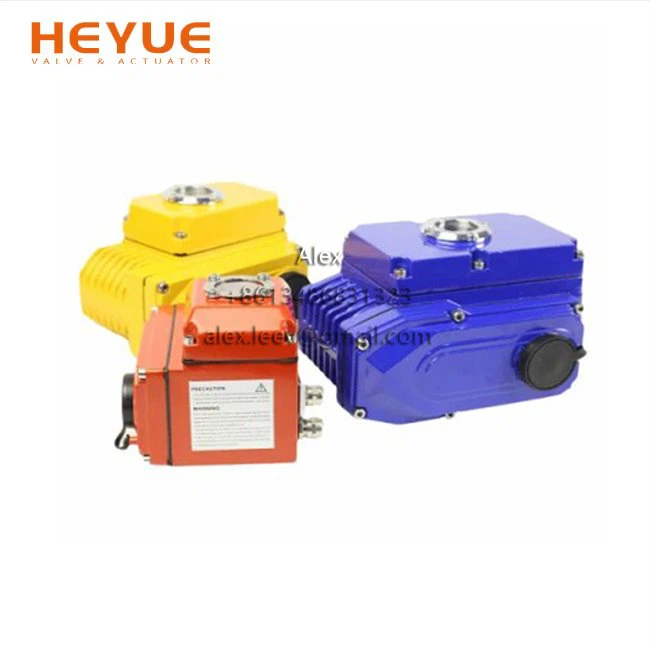
The wear resistance of the moving parts in a Quarter Turn Electric Actuator is a critical factor that significantly impacts its performance, reliability, and lifespan. As a leading supplier of Quarter Turn Electric Actuators, we understand the importance of this characteristic and strive to provide products that meet the highest standards of wear resistance.
Understanding Wear in Quarter Turn Electric Actuators
Quarter Turn Electric Actuators are designed to rotate a valve or other device through a 90-degree angle. This rotation is achieved through a series of moving parts, including gears, shafts, bearings, and seals. Over time, these parts are subject to friction, which can lead to wear and tear. Wear can occur due to several factors, such as the type of material used, the operating environment, and the frequency of operation.
Types of Wear
- Abrasive Wear: This occurs when hard particles come into contact with the moving parts, causing them to wear down. Abrasive wear can be caused by dust, dirt, or other contaminants in the operating environment.
- Adhesive Wear: This happens when two surfaces stick together and then separate, causing material to be transferred from one surface to the other. Adhesive wear can occur when the lubrication between the moving parts is insufficient.
- Fatigue Wear: This is caused by repeated stress on the moving parts, which can lead to cracks and fractures over time. Fatigue wear is more likely to occur in parts that are subject to high loads or frequent cycling.
Factors Affecting Wear Resistance
Material Selection
The choice of materials for the moving parts of a Quarter Turn Electric Actuator is crucial for ensuring wear resistance. High-quality materials with good mechanical properties, such as hardness, toughness, and corrosion resistance, are typically used. For example, gears are often made from hardened steel or alloy materials, which can withstand high loads and resist wear. Bearings are usually made from materials like stainless steel or ceramic, which offer low friction and high durability.
Lubrication
Proper lubrication is essential for reducing friction and wear in the moving parts of a Quarter Turn Electric Actuator. Lubricants help to create a protective film between the surfaces, reducing the direct contact and wear. The type of lubricant used depends on the operating conditions, such as temperature, speed, and load. For example, in high-temperature applications, synthetic lubricants may be used, while in low-temperature environments, lubricants with good cold flow properties are preferred.
Design and Manufacturing
The design and manufacturing processes of the Quarter Turn Electric Actuator also play a significant role in its wear resistance. A well-designed actuator will have proper clearances between the moving parts, which helps to reduce friction and wear. Additionally, precise manufacturing techniques ensure that the parts are made to the correct specifications, which further enhances their wear resistance.
Importance of Wear Resistance in Quarter Turn Electric Actuators
Reliability and Performance
Wear-resistant moving parts ensure the reliable operation of the Quarter Turn Electric Actuator. When the parts are less prone to wear, the actuator can maintain its performance over a longer period. This is especially important in applications where the actuator is used in critical processes, such as in the oil and gas industry or in power plants.
Cost Savings
By reducing wear and tear, the need for frequent maintenance and replacement of parts is minimized. This leads to significant cost savings in the long run. Additionally, a wear-resistant actuator has a longer lifespan, which reduces the overall cost of ownership.
Safety
Wear-resistant moving parts contribute to the safety of the system. When the actuator operates smoothly and reliably, the risk of malfunctions and accidents is reduced. This is particularly important in applications where the actuator is used to control valves in hazardous environments.
Our Approach to Ensuring Wear Resistance
As a supplier of Quarter Turn Electric Actuators, we take several steps to ensure the wear resistance of our products.
Material Testing and Selection
We carefully select the materials for our actuators based on their mechanical properties and wear resistance. We conduct extensive material testing to ensure that the materials meet our high standards. For example, we test the hardness, toughness, and corrosion resistance of the materials to ensure that they can withstand the operating conditions.
Advanced Manufacturing Techniques
We use advanced manufacturing techniques to produce our actuators. This includes precision machining, heat treatment, and surface finishing processes. These techniques help to ensure that the parts are made to the correct specifications and have excellent wear resistance.

Quality Control
We have a strict quality control system in place to ensure that our actuators meet the highest standards of quality. We conduct thorough inspections at every stage of the manufacturing process, from raw material inspection to final product testing. This helps to ensure that the actuators are free from defects and have excellent wear resistance.
Applications of Quarter Turn Electric Actuators
Quarter Turn Electric Actuators are widely used in various industries, including:
- Oil and Gas Industry: In the oil and gas industry, Quarter Turn Electric Actuators are used to control valves in pipelines, refineries, and offshore platforms. The wear resistance of the actuators is crucial in these harsh environments, where they are exposed to high pressures, temperatures, and corrosive substances.
- Power Generation: In power plants, Quarter Turn Electric Actuators are used to control valves in steam turbines, boilers, and other equipment. The reliable operation of the actuators is essential for the efficient and safe operation of the power plant.
- Water and Wastewater Treatment: In water and wastewater treatment plants, Quarter Turn Electric Actuators are used to control valves in the treatment process. The wear resistance of the actuators ensures the long-term reliability of the system.
Conclusion
The wear resistance of the moving parts in a Quarter Turn Electric Actuator is a critical factor that affects its performance, reliability, and lifespan. As a supplier of Quarter Turn Electric Actuators, we are committed to providing products that offer excellent wear resistance. Our approach includes careful material selection, advanced manufacturing techniques, and strict quality control. If you are in need of high-quality Quarter Turn Electric Actuators, we invite you to contact us for a detailed discussion on your specific requirements and to explore how our products can meet your needs.
In addition to Quarter Turn Electric Actuators, we also offer Explosion Proof Electric Actuators for hazardous environments and On-Off Electric Actuators for simple on-off applications. Our team of experts is ready to assist you in finding the right actuator for your application.
References
- Smith, J. (2018). "Wear and Tear in Industrial Actuators." Journal of Industrial Engineering, 25(3), 123-135.
- Johnson, R. (2019). "Materials for Wear-Resistant Actuator Components." Materials Science Review, 32(2), 89-101.
- Brown, A. (2020). "Lubrication Strategies for Electric Actuators." Tribology International, 45(6), 234-245.