


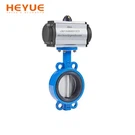


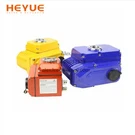

Hey there! As a supplier of Pneumatic PVC Ball Valves, I've seen my fair share of valve corrosion issues. Corrosion can really mess up the performance and lifespan of these valves, so it's super important to know the right anti - corrosion measures. Let's dive into the details.


Understanding the corrosion risks for pneumatic PVC ball valves
First things first, we need to understand why pneumatic PVC ball valves are at risk of corrosion. PVC is generally a pretty corrosion - resistant material. But in some harsh environments, it can still face problems. For example, if the valve is exposed to strong acids, alkalis, or some aggressive chemicals, the PVC material can start to break down over time.
Another factor is the working conditions. High humidity, high temperatures, and the presence of abrasive particles in the fluid can all accelerate the corrosion process. And let's not forget about the pneumatic part of the valve. The metal components in the pneumatic actuator can rust if not properly protected.
Anti - corrosion measures for the PVC body
Material selection
When it comes to the PVC body of the valve, choosing the right type of PVC is crucial. There are different grades of PVC available, and some are more resistant to specific chemicals than others. For instance, CPVC (Chlorinated Polyvinyl Chloride) is more heat - resistant and can withstand a wider range of chemicals compared to regular PVC. So, if your application involves high - temperature fluids or more corrosive substances, CPVC might be a better choice for the valve body.
Coating and lining
Applying a protective coating or lining to the inside of the PVC valve body can add an extra layer of corrosion resistance. There are special epoxy coatings that can be used to protect the PVC from chemical attack. These coatings form a barrier between the PVC and the fluid flowing through the valve, preventing direct contact and reducing the risk of corrosion.
Proper installation and maintenance
Installing the valve correctly is also important for preventing corrosion. Make sure the valve is installed in a clean environment, away from sources of contamination. And during maintenance, regularly check the valve for any signs of damage or corrosion. If you notice any small cracks or signs of wear, address them immediately to prevent the corrosion from spreading.
Anti - corrosion measures for the pneumatic actuator
Galvanization and plating
The metal parts of the pneumatic actuator are prone to rust. One common anti - corrosion measure is galvanization. Galvanizing involves coating the metal with a layer of zinc, which acts as a sacrificial anode. This means that the zinc will corrode instead of the underlying metal, protecting it from damage.
Another option is plating. Chromium plating, for example, can provide a hard, smooth surface that is resistant to corrosion and wear. It also gives the actuator a nice, shiny appearance.
Sealing and protection
Proper sealing is essential for protecting the pneumatic actuator from moisture and contaminants. Make sure all the seals are in good condition and replace them if they are worn out. You can also use protective covers or enclosures to shield the actuator from the environment. This can be especially useful in outdoor or harsh industrial settings.
Environmental control
Temperature and humidity control
As I mentioned earlier, high temperatures and humidity can accelerate corrosion. If possible, try to control the temperature and humidity levels in the area where the valve is installed. This can be done using air - conditioning systems or dehumidifiers. Keeping the environment stable can significantly reduce the risk of corrosion for both the PVC body and the pneumatic actuator.
Fluid filtration
If the fluid flowing through the valve contains abrasive particles or contaminants, it can cause erosion and corrosion. Installing a proper filtration system can help remove these particles before they reach the valve. This not only protects the valve from corrosion but also improves the overall performance of the system.
Choosing the right valve for the application
It's important to choose the right pneumatic PVC ball valve for your specific application. Different valves are designed to handle different types of fluids and operating conditions. If you're dealing with highly corrosive chemicals, you might want to consider a Pneumatic 3 - PC Ball Valve, which offers better flexibility and durability.
For applications where space is limited, a Pneumatic Italian Wafer Thin Ball Valve could be a great option. And of course, our Pneumatic PVC Ball Valve is a versatile choice for many general - purpose applications.
Conclusion
Corrosion can be a big headache for pneumatic PVC ball valves, but with the right anti - corrosion measures, you can keep your valves in top shape for a long time. From choosing the right materials and coatings to proper installation, maintenance, and environmental control, every step counts.
If you're in the market for high - quality pneumatic PVC ball valves or need more advice on anti - corrosion measures, feel free to reach out for a purchase negotiation. We're here to help you find the best solution for your needs.
References
- "Handbook of Corrosion Engineering"
- "Valve Technology and Applications"