





Choosing the right size of a Pneumatic PVC Butterfly Valve is crucial for ensuring optimal performance in your system. As a supplier of these valves, I've seen firsthand how a well - sized valve can make a huge difference in a project. In this blog, I'll share some tips on how to pick the perfect size for your needs.
Understanding the Basics of Pneumatic PVC Butterfly Valves
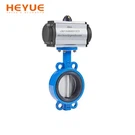
Before we dive into sizing, let's quickly go over what a Pneumatic PVC Butterfly Valve is. It's a type of valve that uses a disc to control the flow of fluid or gas. The disc rotates within the valve body, and the pneumatic actuator provides the power to turn the disc. PVC, or polyvinyl chloride, is a popular material for these valves because it's corrosion - resistant, lightweight, and cost - effective.
We offer a range of Pneumatic PVC Butterfly Valves, including Pneumatic Flange Butterfly Valve, Pneumatic High Performance Double Eccentric Butterfly Valve, and Pneumatic Ventilation Flange Butterfly Valve. Each type has its own unique features and applications, but the sizing principles are generally the same.
Flow Rate Considerations
The first thing you need to think about when choosing the size of a Pneumatic PVC Butterfly Valve is the flow rate. Flow rate is the volume of fluid or gas that passes through the valve per unit of time, usually measured in gallons per minute (GPM) or cubic meters per hour (m³/h).
To determine the required flow rate, you need to know the demand of your system. For example, if you're using the valve in a water supply system, you'll need to know how much water your building or process requires. You can calculate the flow rate based on the number of fixtures, the size of pipes, and the pressure in the system.
Once you have the flow rate, you can use a valve sizing chart. These charts are provided by valve manufacturers and show the relationship between valve size, flow rate, and pressure drop. A larger valve generally allows for a higher flow rate, but it also comes with a higher cost. You want to find a balance between getting enough flow and not over - sizing the valve.
Pressure Drop
Pressure drop is another important factor. It's the difference in pressure between the inlet and the outlet of the valve when fluid or gas is flowing through it. A high pressure drop can cause inefficiencies in your system, as it may require more energy to pump the fluid or gas.
The pressure drop across a valve depends on several factors, including the valve size, the flow rate, and the type of fluid or gas. Smaller valves tend to have a higher pressure drop at a given flow rate compared to larger valves. However, if you choose a valve that's too large, you may end up with a low velocity of flow, which can also cause problems such as sedimentation in the pipes.
You can calculate the pressure drop using the valve's flow coefficient (Cv). The Cv value is a measure of the valve's capacity to pass fluid. A higher Cv means the valve can pass more fluid with less pressure drop. Valve manufacturers usually provide Cv values for their products, and you can use these values to estimate the pressure drop in your system.


Pipe Size Compatibility
The size of the valve should be compatible with the size of the pipes in your system. It's generally recommended to choose a valve with the same nominal size as the pipes. For example, if your pipes are 2 inches in diameter, you should look for a 2 - inch Pneumatic PVC Butterfly Valve.
Using a valve that's too small for the pipes can restrict the flow and cause a high pressure drop. On the other hand, a valve that's too large may not fit properly and can lead to leakage or other installation issues. Make sure to check the pipe schedule (thickness) as well, as this can affect the connection between the valve and the pipes.
System Pressure
The operating pressure of your system is also a key consideration. Pneumatic PVC Butterfly Valves are rated for a specific maximum pressure. You need to ensure that the valve you choose can handle the pressure in your system.
If the system pressure is higher than the valve's rated pressure, it can cause the valve to fail, leading to leaks or even system shutdown. You may need to choose a valve with a higher pressure rating, which may also mean a larger or more heavy - duty valve.
Temperature and Fluid Compatibility
The temperature of the fluid or gas passing through the valve and its chemical composition are important too. PVC has certain temperature limitations, and if the fluid is too hot, it can cause the PVC to deform or lose its strength.
You also need to make sure that the PVC material is compatible with the fluid. Some chemicals can react with PVC and cause corrosion or degradation. If you're dealing with a corrosive fluid, you may need to choose a valve with a special lining or a different material altogether.
Application - Specific Requirements
Different applications may have specific requirements for valve sizing. For example, in a ventilation system, the focus may be on providing a sufficient air flow with minimal noise. In a chemical processing plant, the valve needs to be able to handle corrosive chemicals and high - precision flow control.
If you're using the valve in a critical application, such as a fire suppression system, you need to ensure that the valve meets all the relevant safety standards and regulations. You may also need to consult with an engineer or a specialist to determine the exact size and specifications of the valve.
Conclusion
Choosing the right size of a Pneumatic PVC Butterfly Valve is a complex process that involves considering multiple factors such as flow rate, pressure drop, pipe size, system pressure, temperature, and fluid compatibility. By taking the time to carefully evaluate these factors, you can ensure that your valve will perform well and last a long time.
If you're still unsure about which size of Pneumatic PVC Butterfly Valve is right for your project, don't hesitate to reach out to us. We have a team of experts who can help you with the selection process and provide you with the best solutions for your needs. Whether you're looking for a Pneumatic Flange Butterfly Valve, Pneumatic High Performance Double Eccentric Butterfly Valve, or Pneumatic Ventilation Flange Butterfly Valve, we've got you covered. Contact us today to start the procurement and negotiation process.
References
- Valve Sizing Handbook by XYZ Publishing
- Pneumatic Valve Technology Manual by ABC Company